Drain Repairs vs Drain Relining: Which Is Best for Your West Sussex Property?
When a blocked or damaged drain affects your property, choosing the right repair method is crucial for a lasting solution. Homeowners in Worthing and across West Sussex often face the dilemma of whether to opt for traditional drain repairs involving excavation or the increasingly popular no-dig drain relining technique.
Understanding the differences between these two approaches, along with their advantages and drawbacks, can help you make an informed decision tailored to your drainage problem. This article explores both options in detail, helping you know what to expect and which method might best suit your situation.
Understanding Traditional Drain Repairs
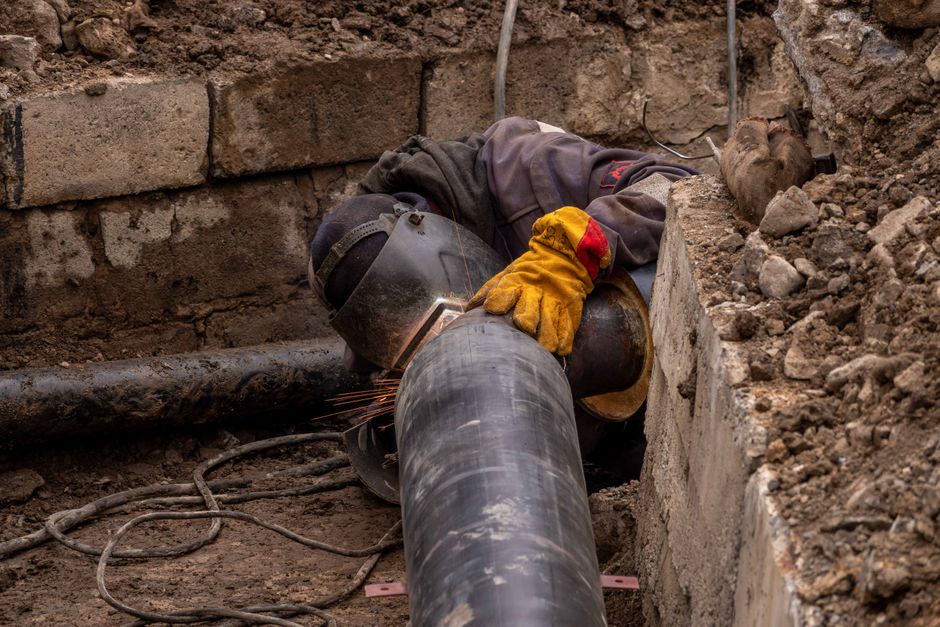
Traditional drain repairs typically involve locating the damaged section of pipe and excavating to access it directly. This method has been used for many years and is often the first solution that comes to mind when faced with collapsed or severely cracked drains.
Excavation allows for a thorough inspection and replacement of broken pipework or joints. It is particularly suitable when pipes have shifted or collapsed, where relining might not adequately restore the original flow capacity. However, excavation can cause disruption to your garden, driveway, or other landscaped areas, which is a key consideration for West Sussex homeowners who value their outdoor spaces.
Additionally, traditional repairs can be more time-consuming and costly due to the need for digging and reinstatement of surfaces. Despite this, the method offers long-term reliability when the damage is extensive, making it a trusted choice for certain drainage issues.
What Is Drain Relining?
Drain relining is a no-dig solution whereby a resin-coated lining is inserted into the existing damaged pipe. Once in place, the lining hardens and forms a new, smooth pipe within the old one, sealing cracks and leaks without removing the original pipework.
This technique minimises disruption since it requires only access via existing manholes or small inspection points, which suits the compact gardens and paved areas common in Worthing and nearby towns like Goring-by-Sea or Lancing. Drain relining is typically quicker to complete, reducing the inconvenience to homeowners and the risk of damage to landscaping or driveways.
While drain relining extends the life of your drainage system and prevents root ingress or intrusions from surrounding soil, it may not be suitable for pipes that are severely collapsed or misaligned, which require traditional excavation to restore full structural integrity.
Pros and Cons of Traditional Excavation
One of the main advantages of traditional excavation is the ability to physically remove and replace completely damaged pipe sections. This ensures a permanent fix for severe problems like collapsed pipes or displacements caused by ground movement—a common concern in older West Sussex properties.
However, the downsides include the invasive nature of digging, which can be disruptive and costly to repair once the work is complete. Areas such as Broadwater or Shoreham-by-Sea, where space may be limited, can find excavation particularly challenging due to restricted access or the value of maintaining property aesthetics.
The longer time frame for excavation repairs can also add inconvenience, particularly if the drain issue affects everyday household use or causes foul smells. Despite this, the method remains indispensable when damage is beyond the scope of relining.
Pros and Cons of Drain Relining
Drain relining offers a less disruptive and environmentally friendly option since it avoids digging up your garden or driveway. This is especially advantageous for homeowners in West Sussex villages like Steyning or Storrington, where preserving historic landscaping and outdoor spaces is a priority.
It is generally faster to complete, often within a day or two, letting families get back to normal routine quickly. Additionally, the new lining creates a smooth surface inside the pipe, reducing blockages and improving flow, which is a bonus for homes in areas prone to tree root issues such as Ferring or Findon.
On the downside, relining may not be suitable if the pipe has collapsed or if there are large offset joints, as the liner requires a reasonably intact original pipe to adhere to. Also, pipes carrying excessive water flow or severe structural faults might not benefit long term from relining alone.
Factors to Consider When Choosing Between Repairs and Relining
The decision between traditional repairs and relining largely depends on the extent and nature of the damage. A CCTV drain survey, widely available in Worthing and surrounding areas, is essential to identify the exact problem and condition of your pipes before deciding on a solution.
Access to the affected drain is also a key factor. Properties in urban parts of West Sussex such as High Salvington or Tarring with limited garden space may favour drain relining to avoid the upheaval of excavation. Conversely, rural homes near Arundel or Steyning with larger gardens might find excavation more feasible.
Budget considerations and desired repair longevity should be part of your planning too. While relining can be more cost-effective upfront and less disruptive, some situations call for full excavation to guarantee a lasting fix, particularly in older properties where pipe degradation is advanced.
What to Expect During Each Repair Process
For traditional excavation repairs, the process begins with locating the problem using CCTV inspections, followed by careful digging to expose the damaged section. This may involve removing patios or driveways, then replacing or repairing the pipework before backfilling and restoring the surface. Expect some noise, dust, and disruption during this period.
Drain relining involves inserting a flexible liner soaked in resin through existing access points. The liner is inflated to fit tightly against the pipe walls, and the resin cures to form a solid, durable inner pipe. The work is usually much quieter and cleaner, with minimal ground disturbance, allowing you to continue using your garden or driveway soon after.
Both methods require professional expertise and equipment to ensure a successful repair. Post-repair, a follow-up CCTV inspection is common to verify that the work has restored proper drainage function.
Local Drainage Considerations in West Sussex
West Sussex’s mix of older properties, varied soil types, and coastal influences means drainage issues can arise from different causes, including ground movement, tree roots, or saltwater exposure. Homes in coastal towns like Bognor Regis or Shoreham-by-Sea can experience pipe corrosion or shifting ground levels that affect pipe stability.
Worthing and neighbouring towns such as Durrington or Littlehampton often feature properties with mature gardens where tree roots can invade drainage pipes, favouring relining to prevent future root penetration. Meanwhile, older villages with clay soils, like Findon or Storrington, are more prone to ground heave that can displace pipes, sometimes necessitating excavation.
Choosing the right repair method often depends on these local factors combined with professional assessments. Proper maintenance and timely intervention can help West Sussex homeowners protect their drainage systems effectively.
Making the Right Choice for Your Home
When faced with drainage issues, contacting a local drainage specialist for an initial CCTV inspection is the best first step. Knowing what type of damage you’re dealing with makes choosing between excavation or relining far clearer.
If preserving your garden or avoiding disruption is a priority, and the damage is moderate, drain relining often offers an excellent solution with minimal fuss. However, if your pipes have suffered major damage or collapse, traditional excavation remains the most reliable fix despite the temporary inconvenience.
Ultimately, the right decision balances cost, disruption, and the long-term health of your drainage system. West Sussex homeowners benefit most from timely repairs tailored to their property’s unique needs.
Need a drainage expert in Worthing?
Call 01903 905205